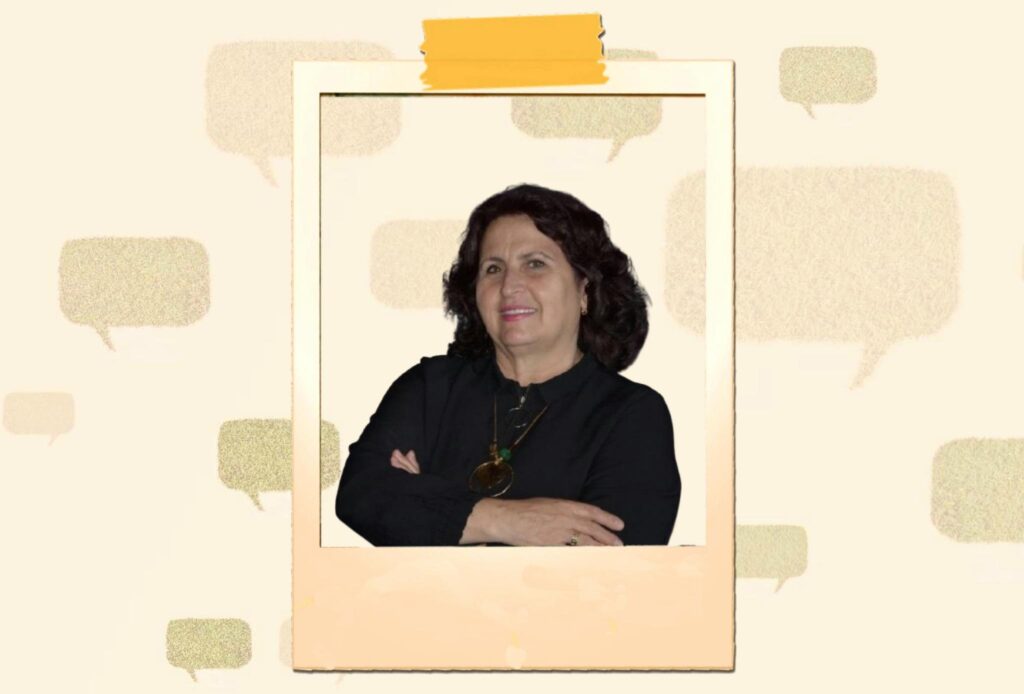
Dealing with the Past: A Collective Responsibility

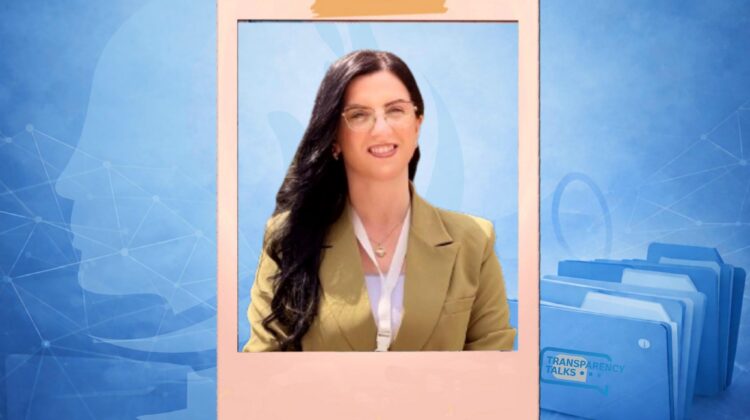
by Fahrije Ymeri
Teacher
On a calm spring morning, sunlight timidly reflected on the classroom windows, while voices within me carried the weight of countless stories. I found myself between two worlds: the painful past that echoed in the eyes of my students and the future I dreamed of building together. The classroom was not just a place for learning; it became a silent battleground where the wounds of the past met the hopes for peace. It was then I realized my responsibility went beyond books and lessons—I needed to help these children see that amidst brokenness, beauty could still be built.
It was a challenging time when everything seemed to be falling apart—lives, relationships, and hopes. I was a teacher of the Albanian language, working with students from both the Serbian and Albanian communities. I often felt caught in a complex space, between the pain reflected in my students’ eyes and the conflict that raged outside my classroom. These challenges were not just professional but deeply personal and moral.
That difficult period eventually passed, but for those who had lost loved ones, the confrontation with a newly shaped reality was only beginning. Confronting the past started when the pain and its consequences were still raw. It was impossible not to feel the weight of what had happened.
The first confrontation occurred in the classroom when my students, still children, began asking difficult questions: “Why did this happen?” “Who is to blame?” “Why do they hate us so much?” I realized I couldn’t offer simple answers, but I could create a space where they felt heard and understood. I felt the responsibility to ensure hatred and prejudice did not take root in their hearts. It was an immense challenge, as I was wrestling with complex emotions myself, having lost friendships and connections with people who were once a part of my life.
To ensure this didn’t affect my work, I began reflecting on my role as a teacher and a human being. I understood that confronting the past does not mean forgetting it; it means looking at it with the purpose of learning, reflecting, and moving forward.
The turning point came when I decided to organize an activity with students from different communities to share their stories. Initially, the idea was met with resistance, but I believed dialogue was the key to building bridges among students. During the activity, a Serbian student shared how he had lost his uncle in the war, while an Albanian student described how his family was forced to flee their home. Another recounted the loss of his entire family. For the first time, I saw my students begin to understand that pain knows no nationality.
This confrontation led to another intricate process—reconciliation, which started within me. There were moments of anger and frustration over the injustices we had experienced as a society. However, I realized reconciliation does not mean forgetting or denying pain; it begins with accepting what has happened and the willingness to build something better.
A personal experience that taught me the value of reconciliation was a meeting with an Albanian colleague I hadn’t seen in years. We had been close before, but the events in our country had divided us. When we met again, there was an awkward silence until she said, “We cannot change the past, but we can decide how to build the future.” Her words deeply moved me and helped me understand that reconciliation begins with the simple act of listening and forgiving.
For me, building peace was a natural step after confronting the past and reconciliation. In my classroom, I focused more on universal values like respect, empathy, and dialogue. I organized activities where students learned about each other’s cultures and histories—not to emphasize divisions, but to foster understanding and appreciation of diversity.
One moment I’ll never forget was when one of my students said, “Teacher, I didn’t know they felt the same as us.” That honest realization gave me hope that the younger generation could build a better future—a future where peace is not merely the absence of conflict but a deep sense of coexistence and respect.
Over the years, I noticed that building peace also required confronting my own fears and doubts. At times, I felt my efforts were futile against the vast divisions. Yet, every small step contributed to creating a safer, better environment. Some parents, initially skeptical about intercultural activities, began supporting and actively participating in efforts for collaboration.
Looking back, I understand that confronting the past, reconciliation, and building peace is never easy or linear. It requires ongoing effort, honest reflection, and, above all, courage. It’s a process that has brought more meaning to my life and made me stronger. As a teacher, I am proud to have played a small role in shaping a future where people can look beyond divisions and unite for a common goal—peace.
Confronting the past is not just a personal responsibility but a collective duty. Reconciliation and peacebuilding start with us, in the places where we live and work, and they grow through our daily efforts. My experiences have taught me that peace is not a gift that comes naturally, but a value built, preserved, and spread through every action we take. It begins in the heart of each of us.
Dealing with the past challenges us to face the truth, accept the pain and mistakes, while reconciliation is the noble act of forgiveness and renewing broken connections. Peace, a light that emerges after the storm, flourishes where hearts open to dialogue, understanding, and hope. It is the symphony of the human spirit, striving for harmony and a life built on love and justice.